Before coming to bibic, I knew that Yunus was struggling, but I didn’t fully understand why or just how much his difficulties were affecting his everyday life. We were already pursuing an autism assessment through the NHS, but I felt that his needs weren’t being fully understood, particularly within his mainstream school setting. As his mum, I could see that he needed more support, but I didn’t always have the knowledge or evidence to explain exactly what those needs were.
I wanted somebody to look at Yunus as a whole child, rather than just focusing on individual difficulties. I wanted to understand how his brain worked, what he needed and, most importantly, how I could help him.
The two days we spent at bibic were incredibly valuable.
For the first time, I felt that somebody was really looking at the bigger picture and recognising the difficulties Yunus was experiencing. The assessment helped me understand his sensory processing differences, executive functioning difficulties and how much additional time he needs to process information and instructions. It also helped me recognise that some of his behaviours were actually ways of trying to meet his sensory needs.
I came away with practical strategies that I could start using immediately, rather than simply being told to wait for a diagnosis. Having the findings explained to me and then receiving such a detailed report gave me a much clearer understanding of Yunus and the reasons behind his difficulties.
One of the biggest changes has been my understanding of Yunus and how I support him.
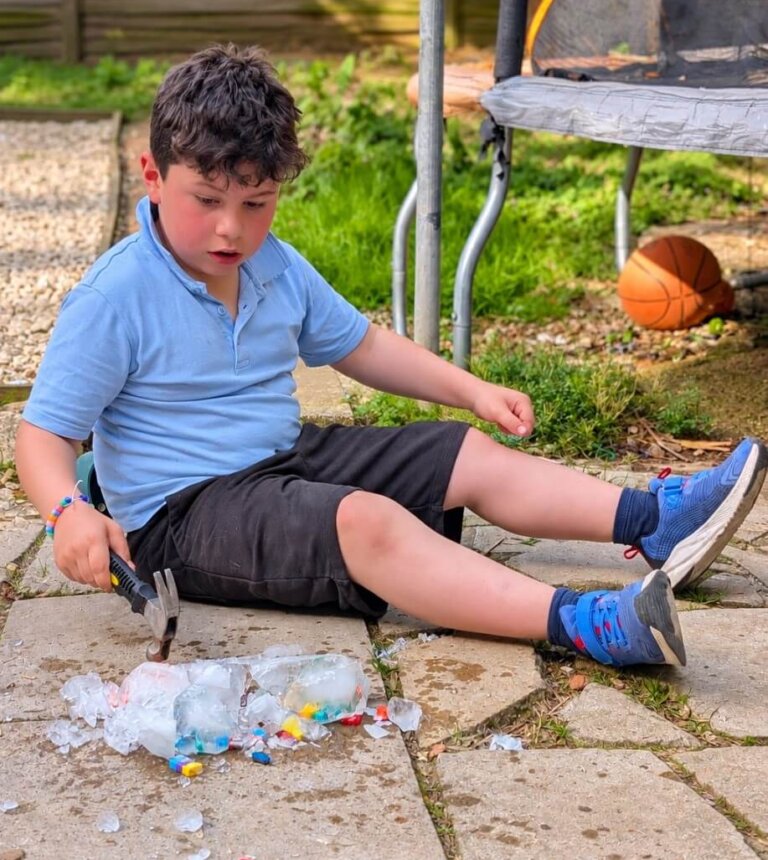
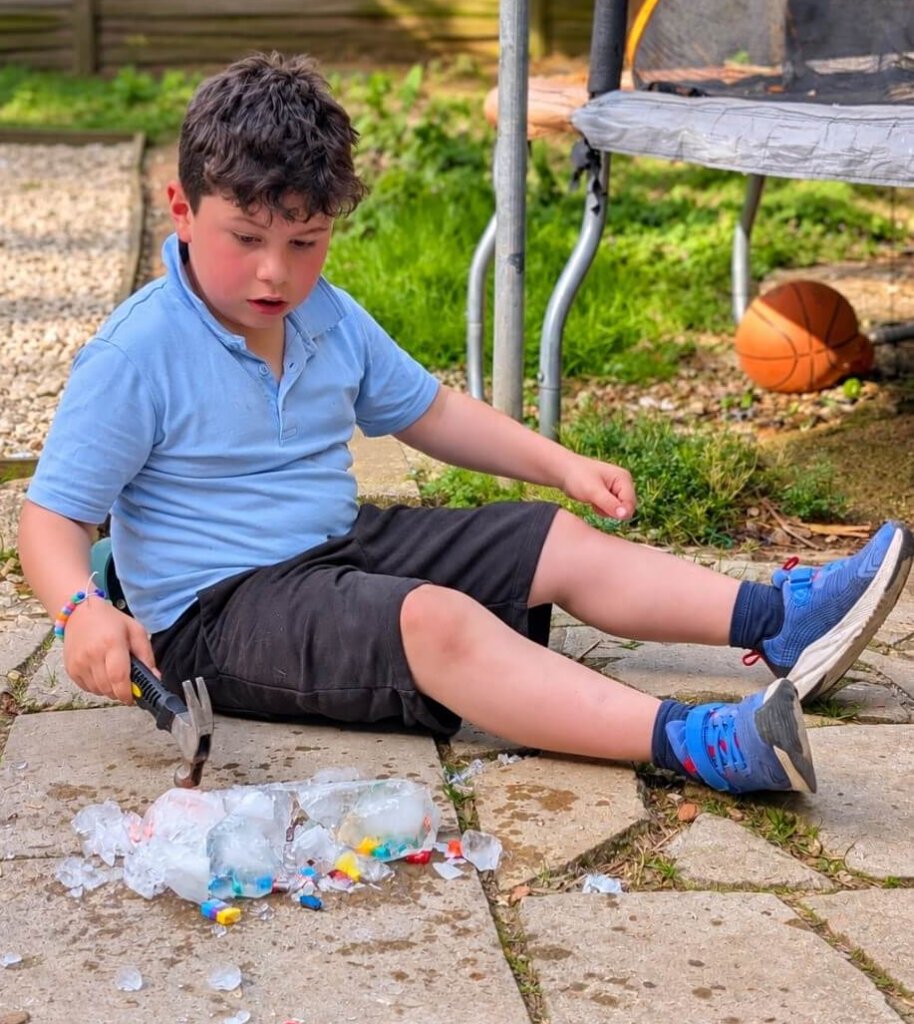
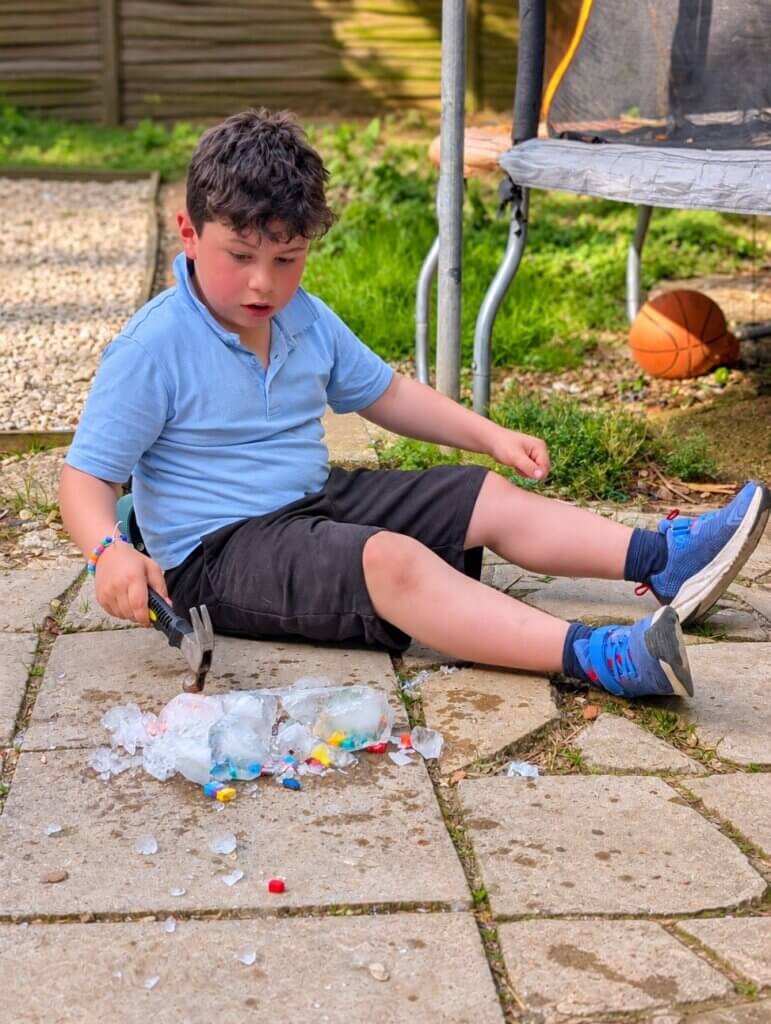
I started introducing sensory activities and equipment at home, including his body sock, vibrating pillow, ice play, water play, slime and crunchy snacks. The difference was noticeable almost immediately. He absolutely loved exploring these activities, and I could see the positive impact they were having. But the benefits have gone far beyond the sensory activities.
The bibic report has become an incredibly valuable resource for me as a parent. I regularly refer back to it to help me understand Yunus’s needs and consider the best ways to support him. It has also been invaluable when preparing my parental contribution and supporting evidence for his EHCP review. The report has helped me explain his difficulties in much greater detail and identify areas where he requires additional support.
I’ve also shared the report with his NHS autism assessment team so that the professionals assessing him have a clearer picture of his needs. It has helped me when speaking to doctors and other healthcare professionals too, as I now have a better understanding of his difficulties and can explain them more confidently.
Having this professional evidence has given me greater confidence when advocating for Yunus and communicating with the people involved in his care and education. But something else happened during our visit to bibic that I never expected.
During Yunus’s assessment, Claire also recognised certain traits in me that I had never really considered or understood.
If it hadn’t been for Claire and the things she noticed that day, I genuinely don’t think I would ever have considered seeking assessments for ADHD or autism myself. Since our visit, I’ve been formally diagnosed with ADHD, and I’m now on the pathway for an autism assessment.
It’s been an incredibly eye-opening experience. Learning to understand Yunus and the way his brain works has also helped me understand myself.
Perhaps one of the most important things I’ve gained is learning to be kinder to myself. I’m beginning to understand that some of the things I’ve struggled with throughout my life may have explanations that I simply hadn’t recognised before.
I think that’s something people don’t always realise about organisations like bibic. Their support doesn’t necessarily stop with the child being assessed.
We’re a family, a team and a unit. When one of us is better understood, it can help all of us.
We originally came to bibic because I wanted to understand my son and learn how to support him. I never imagined that the experience would also lead me towards understanding myself.
We still have challenges, and there’s more work to be done, but I now feel much better equipped to understand and support Yunus.
For me, bibic wasn’t just a two-day assessment. It gave me knowledge, practical strategies and a detailed report that continues to help us months later.
Most importantly, it helped me understand the child behind the difficulties, while unexpectedly helping me understand myself too.
I’m incredibly grateful for that.